Podprojekt: Biogazownie
W ramach ogromnego naboru finansów na ośrodków zarządzania przestrzenią ekologiczną (OZE) w 2026 roku, jednym z najważniejszych inwestycji jest projekt biogazowni. W budżecie OZE znajdzie się znacząca suma pieniędzy – 300 mln zł.
Biogazownie są niezwykle ważnym elementem ekonomicznej i środowiskowej strategii Polski. Pozwolą one na przekształcenie ścieżek odpadów organicznych w energię, co obniży koszty energii i zminimalizuje emisje gazów skorygowanych do zmian klimaticzych.
Technologia biogazu
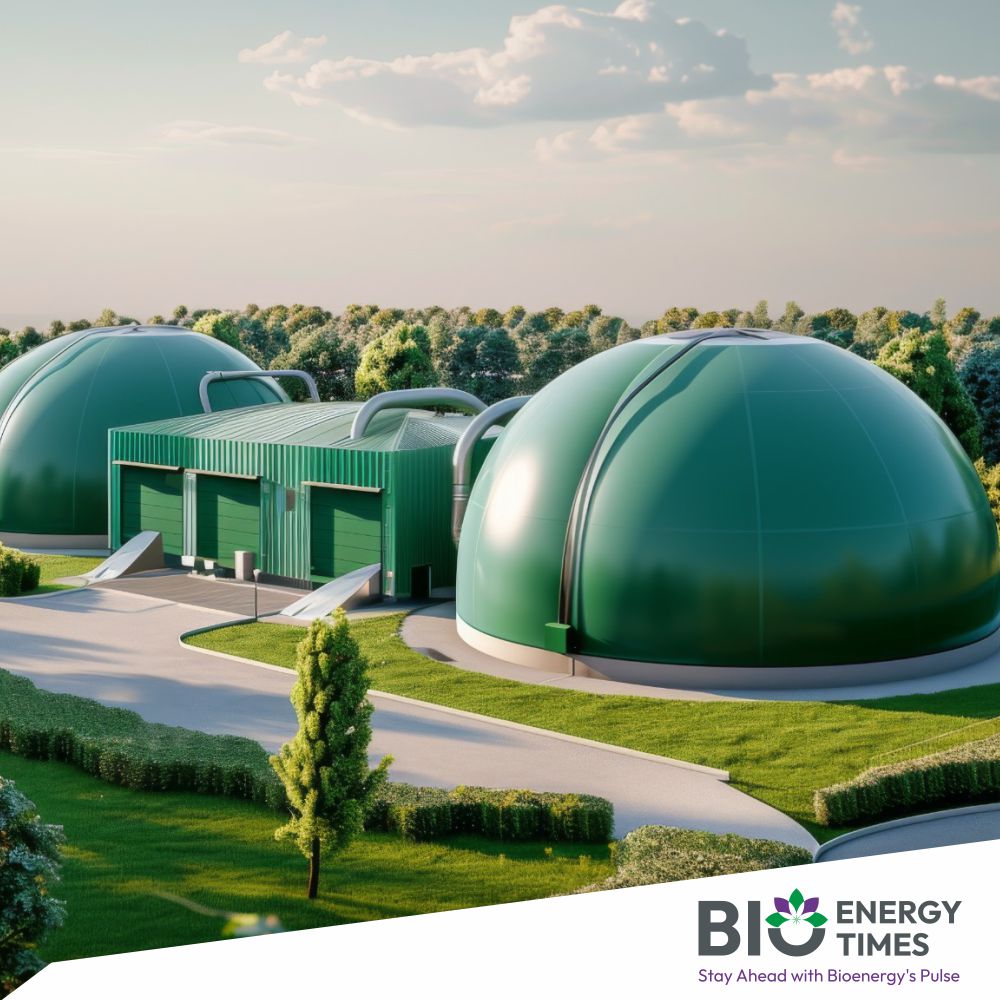
Technologia biogazu opiera się na transformacji ścieżek odpadów organicznych, takich jak trwałe odpady, śmieci komunalne lub wydobywczystość, w biogaz. Po przeprowadzeniu procesu fermentacyjnego obowiązuje technologia wyjściowe.
Biogaz może być wykorzystywany do produkowania energii elektrycznej i ciepła, co jest niezwykle korzystne dla gospodarzy domowych oraz forsynek przemysłowych. W Polsce istnieje wiele inwestycji w biogazowni, które mają na celu zwiększenie pojemności produkcji biogazu i optymalizację jego wykorzystania.
Magazyny energii
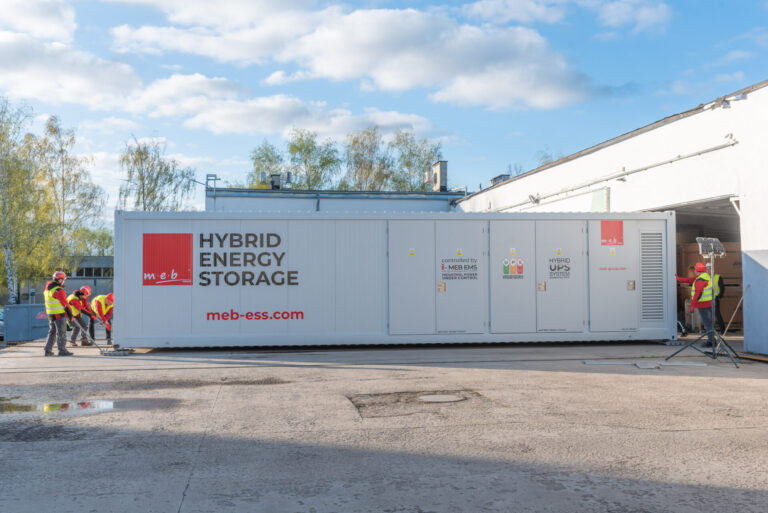
Beside the biogas plants, another significant part of the 500 million PLN budget for OZE in 2026 is dedicated to energy storage facilities. These are crucial for stabilizing energy supply and ensuring a reliable power grid.
Energy storage solutions can take various forms, including batteries, pumped hydroelectric storage, or flywheels. By investing in these technologies, Poland aims to enhance its ability to manage fluctuations in renewable energy sources, such as solar and wind power.
Battery Storage Systems
Battery storage systems are becoming increasingly popular due to their flexibility and scalability. They can be used to store excess energy generated during periods of high production from renewable sources and release it when demand is higher.
Poland has a growing number of battery storage projects, with companies like Energetyka Polska and Uniwersytet Warszawski investing in facilities designed to improve the grid’s resilience. These systems contribute significantly to energy security and reduce reliance on imported fuels.
Pumped Hydroelectric Storage
Pumped hydroelectric storage (PHS) is another effective method of storing excess energy. It involves pumping water uphill during periods of low demand and releasing it through turbines when there is a need for more power. This technology has been successfully implemented in several countries, including France and Germany.
Poland also looks to develop PHS projects as part of its energy storage strategy. The country’s geography offers potential locations for such facilities, making it an attractive destination for PHS development.
Global Trends and Polish Perspective
The global trend towards renewable energy sources is driving significant investments in OZE around the world. Countries like Germany, China, and the United States are leading the way with substantial funding for biogas plants and energy storage infrastructure.
Poland has recognized the importance of aligning its energy policy with these global trends. The country aims to reduce greenhouse gas emissions and enhance its energy independence by diversifying its energy mix. The 500 million PLN investment in OZE represents a significant step in this direction.
Challenges and Opportunities
The development of biogas plants and energy storage facilities is not without challenges. These include high initial costs, technical complexity, and the need for skilled labor. However, there are also numerous opportunities for growth and innovation.
Biogas plants can be integrated into existing agricultural infrastructure, providing additional revenue streams for farmers. Energy storage systems can improve grid reliability and enable more efficient use of renewable energy sources. Both sectors offer potential for job creation, economic development, and environmental benefits.
Sustainability and Long-term Goals
The focus on OZE investments underscores Poland’s commitment to sustainability and long-term goals. The country aims to achieve a balance between economic growth and environmental protection.
By investing in biogas plants and energy storage facilities, Poland can contribute to global efforts against climate change while also enhancing its own energy security. These projects not only address current challenges but also lay the foundation for a more sustainable future.
O autorze