Understanding Thermal Modernization Relief
Thermal modernization relief in Poland is a fiscal incentive designed to promote energy efficiency upgrades in residential properties. Introduced as part of broader climate and energy policies, this relief allows eligible taxpayers to deduct a percentage of renovation costs from their income tax. The primary goal is to reduce energy consumption and carbon emissions by encouraging the adoption of modern heating technologies.
Wood Pellet Heaters: A Sustainable Heating Solution
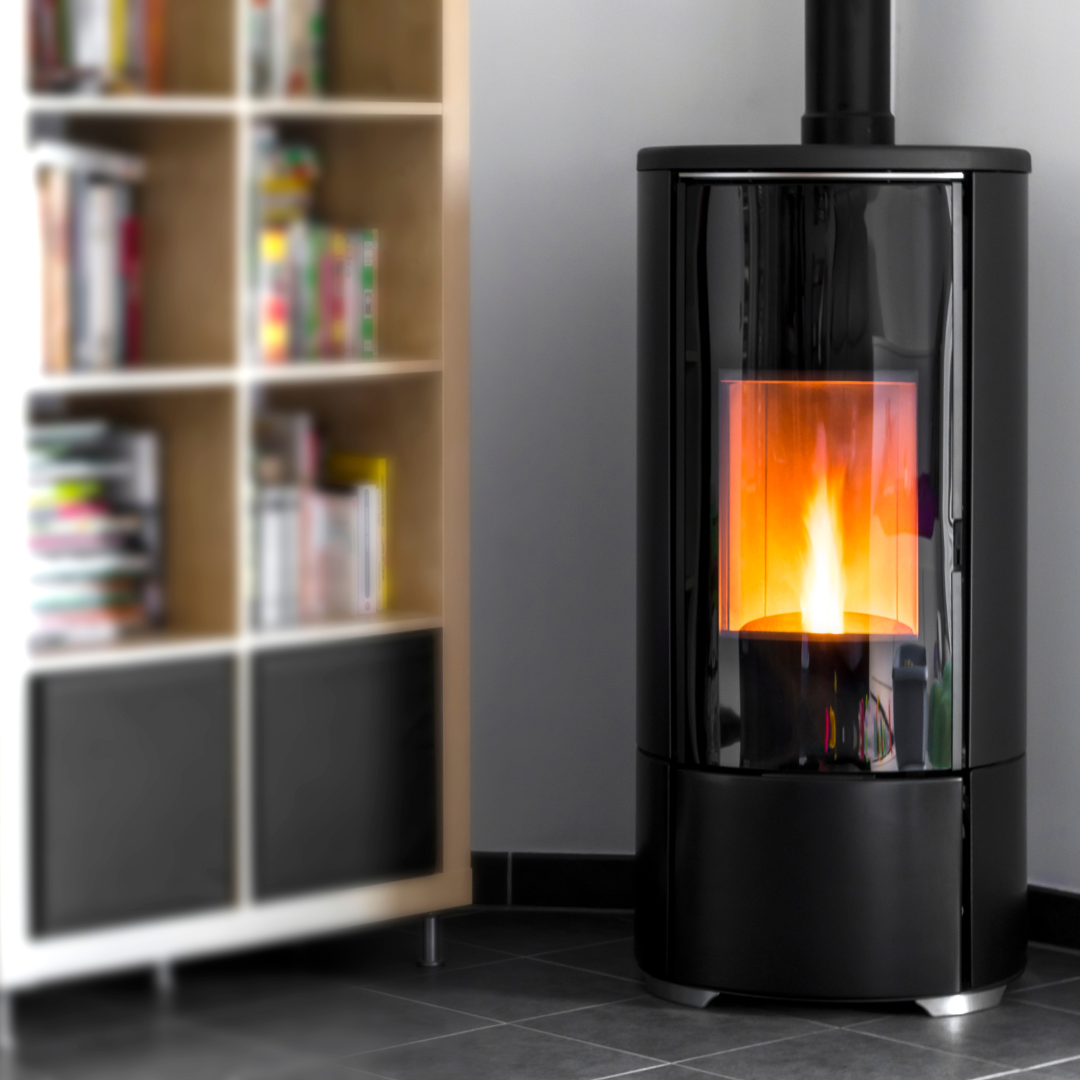
Wood pellet heaters are increasingly popular due to their environmental benefits and cost-effectiveness. These systems burn compressed organic material made from sawdust and wood shavings, producing heat with lower greenhouse gas emissions compared to fossil fuels. Their integration into thermal modernization projects aligns with national priorities to reduce reliance on non-renewable energy sources.
Eligibility Criteria for Cost Deduction
- Installation of new systems: Complete replacement of existing heating infrastructure with pellet-based technology qualifies for deduction.
- Upgrades to existing systems: Retrofitting older boilers or adding pellet-compatible components may be eligible.
- Compliance with technical standards: Installations must meet Polish Building Code requirements for efficiency and emissions.
Application Process and Documentation
Required Documentation
Applicants must submit a detailed cost report, including invoices for equipment, installation labor, and any associated permits. A certified energy audit is required to verify the project’s compliance with modernization goals. The audit must be conducted by a qualified expert registered in the Central Energy Audit Register.
Timeline and Tax Implications
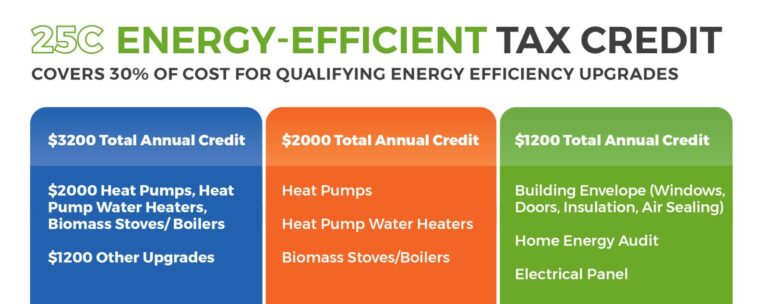
The relief is applied during the annual tax return filing. Taxpayers have up to 3 years from the completion of the project to apply for deductions. The deductible percentage varies by income bracket, typically ranging from 25% to 30% of eligible expenses. However, income limits apply, with the maximum annual deduction capped at PLN 125,000.
Environmental and Economic Benefits
Adopting wood pellet heating systems offers dual advantages. Environmentally, these systems reduce CO₂ emissions by up to 90% compared to traditional coal-fired systems. Economically, homeowners benefit from lower operational costs, with pellet prices currently averaging PLN 350 per ton—significantly cheaper than natural gas or electricity for equivalent heating output.
Common Challenges and Considerations
Storage and Maintenance Requirements
Wood pellet systems require dedicated storage space for fuel and regular maintenance to prevent clogging. Homeowners must account for these logistical factors when planning their modernization projects. Additionally, local municipality regulations may impose restrictions on pellet burning in densely populated areas.
Budget Planning
The average cost of a wood pellet heating system ranges from PLN 30,000 to PLN 70,000, depending on system size and complexity. While the tax relief offsets approximately 30% of costs, additional financing options through the National Fund for Environmental Protection and Water Management are available for low-income households.
Expert Recommendations
„Homeowners should consult with certified energy auditors to ensure their project design maximizes tax relief eligibility. Choosing certified equipment from the Polish Register of Energy-Efficient Equipment is crucial for compliance,” recommends Anna Nowak, a tax law specialist at the Polish Bar Association.
For optimal results, applicants should retain all project-related documentation for at least 5 years. This includes technical specifications, contractor contracts, and post-installation efficiency reports. Legal advice is strongly recommended for complex projects involving hybrid heating systems.
O autorze