Liquidation of Gas Stoves – When Does Gas Heating Come to an End?
Rankomat
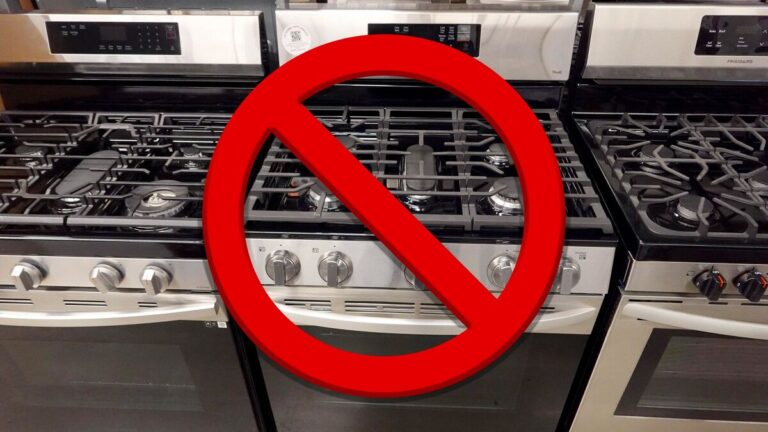
The decision to liquidate gas stoves is a significant step towards reducing reliance on fossil fuels and promoting sustainable energy solutions. This article explores the reasons behind the declining popularity of gas heating, the environmental impacts of continuing to use gas stoves, and the benefits of transitioning to alternative heating methods.
Why Gas Stoves Are Becoming Less Popular
The shift away from gas stoves is driven by several factors. Firstly, there is growing awareness of the negative impact that burning fossil fuels has on the environment. The greenhouse gases released during the combustion process contribute to climate change and air pollution. Additionally, the extraction and transportation of natural gas often result in significant environmental degradation, such as deforestation and water contamination.
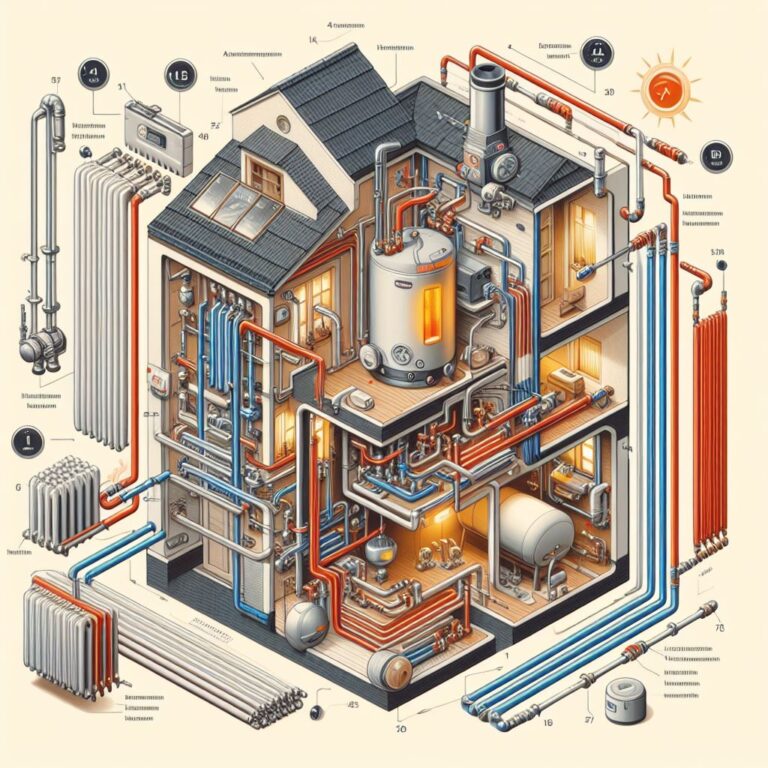
Another reason for the decline in popularity of gas stoves is the need for energy efficiency. Modern heating systems, such as solar panels and heat pumps, are becoming increasingly efficient and cost-effective. These alternative options offer a cleaner and more sustainable way to keep homes warm during cold weather.
Environmental Impact of Gas Stoves
The continued use of gas stoves has significant environmental consequences. The carbon dioxide emissions produced during the combustion process contribute to global warming, while particulate matter and other pollutants can harm human health and cause respiratory problems. Moreover, the extraction and transportation of natural gas release methane, a potent greenhouse gas with a much stronger impact on climate change than carbon dioxide.
Furthermore, the production of natural gas itself is resource-intensive and can lead to significant environmental degradation. Fracking, for instance, has been linked to water pollution and earthquakes in many parts of the world. This makes it clear that there are better options available for heating homes sustainably.
Benefits of Transitioning to Alternative Heating Methods
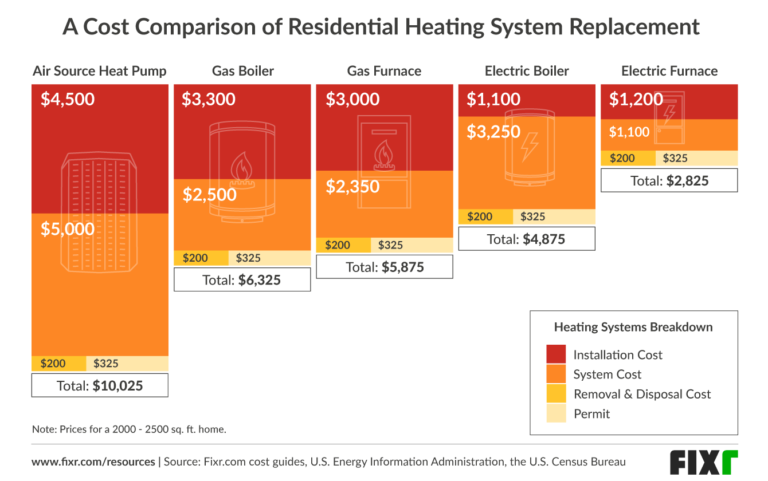
The transition to alternative heating methods offers numerous benefits. Firstly, these methods tend to be more energy-efficient than gas stoves, reducing both energy consumption and associated costs. Solar panels, for example, generate electricity from the sun, which is free and virtually unlimited. Heat pumps, on the other hand, transfer heat from one place to another, requiring less energy to maintain a comfortable temperature.
Additionally, alternative heating methods tend to be more environmentally friendly than gas stoves. They produce fewer greenhouse gases and pollutants, contributing to a cleaner and healthier environment. These benefits are particularly important in areas where air quality is already poor due to industrial activity or traffic congestion.
In conclusion, the decision to liquidate gas stoves is a crucial step towards promoting sustainability and reducing our environmental impact. While there may be some initial costs associated with transitioning to alternative heating methods, the long-term benefits are clear. By choosing energy-efficient and environmentally friendly options, we can create a healthier and more sustainable future for ourselves and future generations.
O autorze