Revolution in Smart Home Insurance: Samsung’s Polish Debut
The integration of smart home technology with insurance services marks a pivotal shift in how households manage risk and optimize safety. Samsung, a global leader in consumer electronics, has taken a significant step forward by launching a tailored insurance offering for smart home users in Poland. This initiative leverages IoT-enabled devices to monitor, analyze, and mitigate potential risks, providing policyholders with dynamic coverage that adapts to real-time data.
How Samsung’s Smart Home Insurance Works
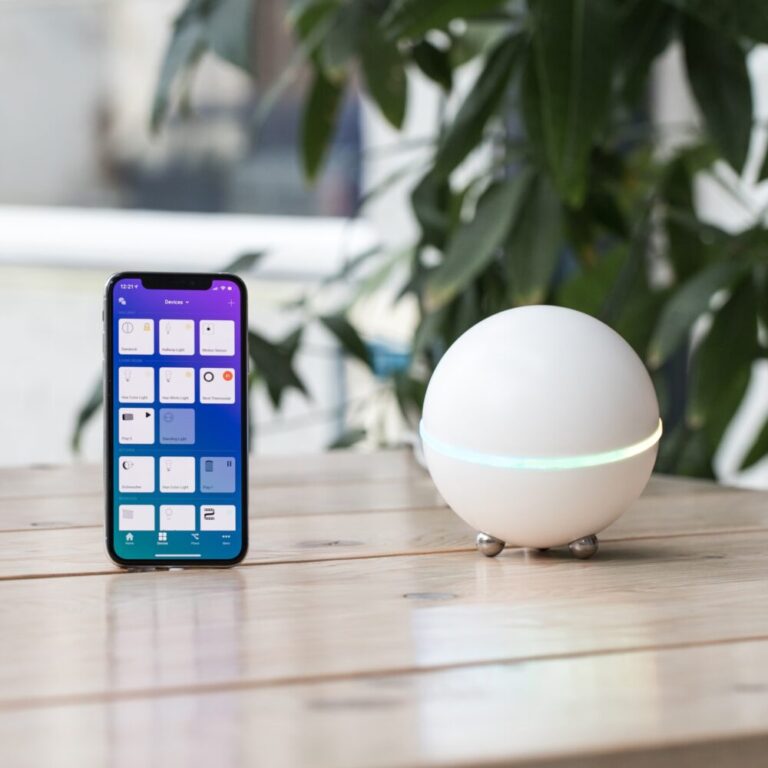
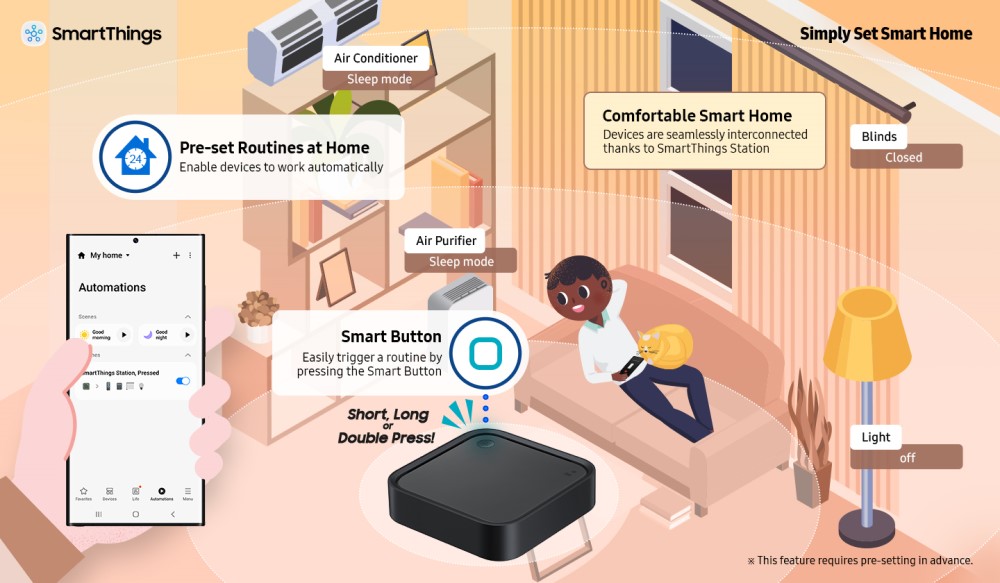
At the core of this solution are Samsung’s SmartThings devices, including sensors, cameras, and home automation systems. These devices collect granular data on environmental conditions, user behavior, and system performance. For instance, water leakage sensors can detect pipe bursts, while motion detectors track unauthorized entry. The insurance component uses this data to assess risk levels dynamically. Policyholders receive instant notifications of anomalies, and claims are processed faster due to automated verification of incidents.
For example, a family using Samsung’s SmartThings ecosystem might activate a 24/7 security camera system. If the camera detects a break-in and triggers an alert, the insurance algorithm evaluates the event’s severity, cross-references it with historical data, and initiates a streamlined claims process. This reduces the need for manual reporting and accelerates payouts, enhancing user experience.
Personalized Coverage and Risk Mitigation
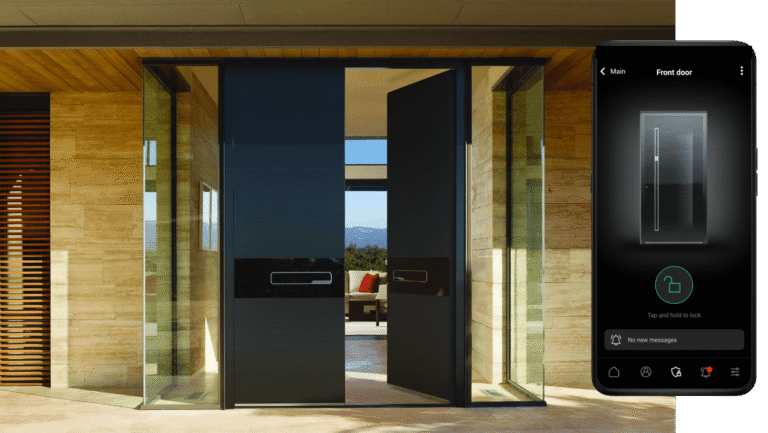
Traditional insurance models often rely on static risk assessments, such as age, location, or property value. Samsung’s approach introduces a data-driven paradigm where coverage is adjusted in real time. Users with proactive safety measures—like consistently maintaining smoke detectors or using smart locks—receive lower premiums. Conversely, neglecting device maintenance or ignoring system alerts may lead to higher rates. This gamification of risk management encourages users to engage actively with their smart home systems.
The platform also offers predictive analytics. By analyzing patterns in energy consumption or device usage, it can forecast potential issues. For example, a sudden spike in water usage might indicate a hidden leak, prompting the system to recommend a plumber or adjust coverage temporarily. This proactive approach minimizes damage and reduces long-term costs for both insurers and policyholders.
Market Implications and Competitive Edge
Poland’s adoption of smart home technology has been steadily rising, with over 2 million households utilizing IoT devices by 2023. Samsung’s move positions it as a pioneer in the region’s insurtech space. Competitors like Apple and Google have primarily focused on device ecosystems, but Samsung’s integration of insurance services creates a closed-loop value chain. This differentiates it from traditional insurers, who lack the technical infrastructure to offer such personalized solutions.
Financially, the model is mutually beneficial. Insurers gain access to vast datasets, enabling more accurate risk modeling and fraud detection. Consumers, in turn, enjoy lower costs and enhanced peace of mind. For Samsung, this expands its revenue streams beyond hardware sales, tapping into the growing $1.3 trillion global insurance market.
Challenges and Future Prospects
Despite its potential, the initiative faces hurdles. Data privacy concerns remain a critical issue, as continuous monitoring requires storing sensitive user information. Samsung must comply with GDPR regulations and ensure robust encryption. Additionally, not all Polish consumers are tech-savvy, necessitating educational campaigns to demystify the platform’s benefits.
Looking ahead, Samsung could expand the offering to include health-related insurance. Wearables like the Galaxy Watch could monitor users’ vitals, offering discounts for healthy habits. Partnering with healthcare providers or fitness apps might further diversify the ecosystem. The company could also integrate AI-driven chatbots to assist users in real time, answering queries about coverage or guiding them through claims.
Conclusion: A Blueprint for the Future
Samsung’s smart home-insurance integration exemplifies the convergence of technology and financial services. By transforming static policies into dynamic, responsive solutions, it addresses modern consumers’ demand for convenience and personalization. As Poland’s market matures, this model could set a global standard, compelling other insurers to innovate or risk obsolescence. For Samsung, the venture reinforces its role as a technology leader, bridging the gap between hardware innovation and real-world utility.
O autorze